Porcelain vs. Ceramic Tile: What’s the Difference and Which Is Better?
Porcelain vs. Ceramic Tile: What’s the Difference and Which Is Better?
When it comes to tile selection for bathrooms, kitchens, and flooring projects, homeowners and contractors often face the ongoing debate: porcelain vs. ceramic tile. While both tiles are made from clay and kiln-fired, distinct differences impact their performance, cost, and best-use scenarios. Understanding these key differences can help you make the smartest choice for your project.
Main Differences Between Porcelain and Ceramic Tile
- Composition and Manufacturing:
- Porcelain tiles are made from a refined clay that's fired at higher temperatures. This results in a denser, less porous tile.
- Ceramic tiles are also clay-based but use a less refined material and are fired at lower temperatures, making them more porous and slightly softer.
- Water Absorption:
- Porcelain’s dense structure makes it much more water-resistant (below 0.5% absorption rate), perfect for moist environments.
- Ceramic absorbs more water and is better suited for interior wall applications and light traffic areas.
- Durability:
- Porcelain tiles are more durable, less likely to crack or chip, and are better for high-traffic floors or outdoor use.
- Ceramic tiles are slightly softer but still strong for standard interior use.
- Cost:
- Porcelain tends to be pricier because of the manufacturing process and added durability.
- Ceramic is usually more budget-friendly and easier to cut and install.
- Design and Installation:
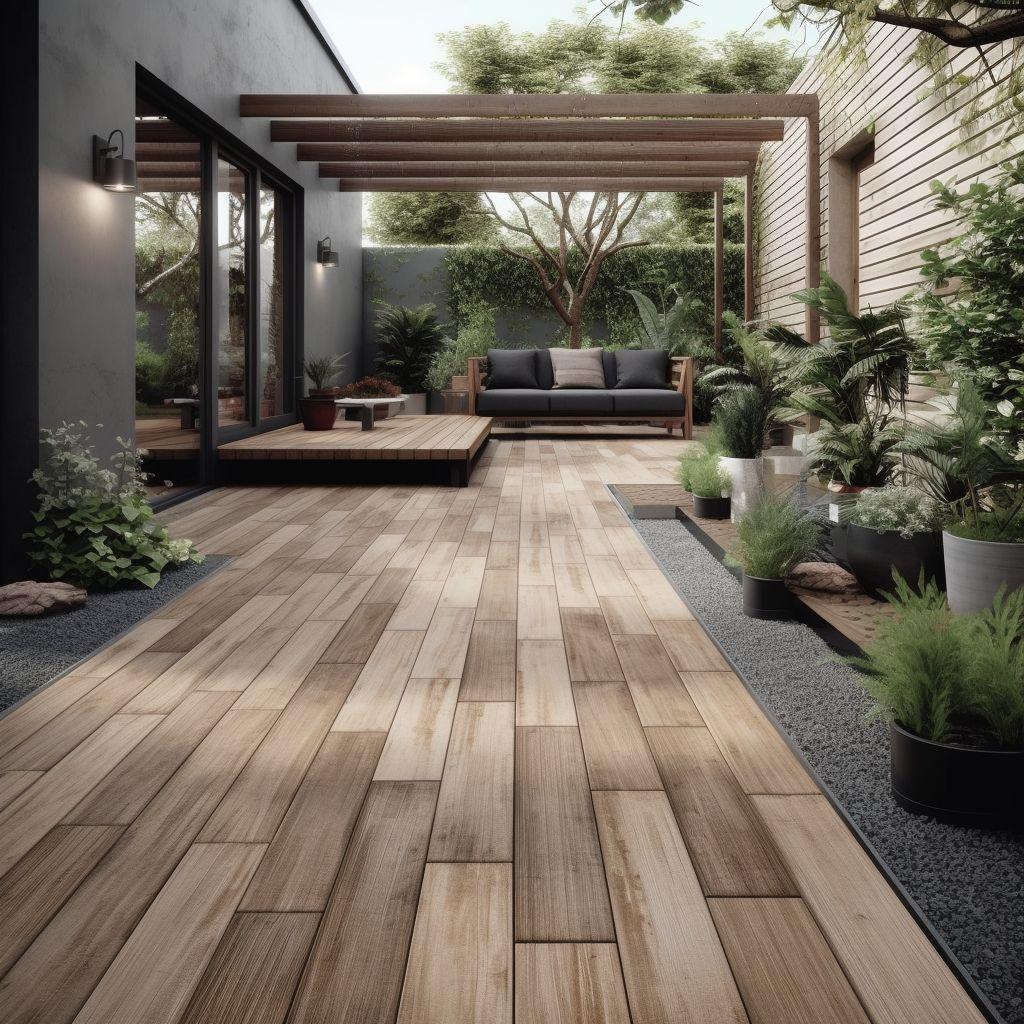
- Both tiles offer a variety of colors and styles, but porcelain can mimic natural stone and wood with greater realism.
- Ceramic is lighter and easier for DIY installers to handle, cut, and fit into intricate spaces.
Practical Advice: Which Tile Should You Choose?
So how do these differences affect your decision in real-world projects? Here are some actionable tips based on common construction scenarios:
- Bathrooms and Wet Areas:
- Choose porcelain tile for showers, bathroom floors, and backsplashes. Its low water absorption makes it resistant to mold, mildew, and staining.
- High-Traffic Flooring:
- Porcelain is the better investment for entryways, mudrooms, and busy commercial spaces because it's harder and stands up to heavy wear.
- Outdoor Installations:
- Only porcelain tile should be used outside. It withstands freeze-thaw cycles and does not deteriorate in harsh weather like ceramic.
- Budget-Friendly Renovations:
- If your budget is tight and the area isn’t exposed to much water, ceramic tile is an attractive, cost-effective option for kitchen backsplashes or accent walls.
- DIY Friendliness:
- Ceramic tile is easier to cut and drill, which can save time and prevent waste on DIY projects or intricate designs.
Actionable Takeaways
- Assess the Location: If your tile will be exposed to moisture or outdoor conditions, opt for porcelain every time.
- Balance Budget and Longevity: For areas with heavy use or resale value concerns, it’s worth investing in porcelain despite the higher upfront cost.
- Prioritize Ease of Installation: For basic indoor tiling jobs (walls, backsplashes), ceramic tile simplifies cutting and placement, reducing labor time and potential errors.
- Maximize Style Options: Both types come in many looks, but porcelain excels at mimicking high-end surfaces (like marble or wood) without the maintenance headaches.
- Check Tile Ratings: Always look for PEI (Porcelain Enamel Institute) ratings for floor tiles and water absorption rates to ensure you’re getting the right durability for your location.
Summary Table: Porcelain vs. Ceramic Tile
| Feature | Porcelain Tile | Ceramic Tile |
|---|---|---|
| Water Resistance | Excellent | Moderate |
| Durability | Very High | High |
| Installation Difficulty | Harder | Easier |
| Cost | Higher | Lower |
| Best Uses | Floors, outdoors, wet areas | Walls, light-traffic floors |
Author Samuel BrownBlogger
Samuel BrownBloggerNew Articles 
What's Vinyl Flooring? Is It Waterproof?June 17, 2025